

Compostable PLA and Biodegradable Packaging Bags: A Buyer's Guide
What PLA and Biodegradable Packaging Actually Mean
PLA, short for polylactic acid, is a bioplastic made from fermented plant sugars rather than petroleum. Most commercial PLA starts as corn starch, though sugarcane and beet are common feedstocks too. The result is a clear, stiff film that feels close to conventional plastic but comes from a renewable source.
Biodegradable packaging is a broader term. It means a material breaks down through microbial action, but it says nothing about the time frame or the conditions required. A bag can legally be called biodegradable and still take decades in a landfill. Compostable is the stricter promise: the material must disintegrate and leave no toxic residue within a defined window, usually under industrial composting heat and humidity. That distinction trips up a lot of first-time buyers, and it is the one worth getting right before you spec a product.
How PLA Is Made and Why It Performs Differently
The factory route to PLA runs through fermentation. Plant sugar becomes lactic acid, which is then polymerized into long chains. Because the starting carbon was pulled from the air by the crop, PLA carries a lower cradle-to-gate footprint than polyethylene. It prints well, it seals cleanly on standard filling lines, and it holds shape at room temperature.
Performance does shift once things heat up. PLA softens around sixty degrees Celsius, so it is a poor fit for hot-fill or microwave use. Moisture barrier is weaker than foil laminates, which is why the supplier often pairs it with a thin compostable coating or a kraft layer. The material is also brittle when very cold. None of this makes it unsuitable; it just means the application has to be matched to the physics.
Certifications That Prove the Claims
Anyone can print an eco claim on a pouch. The certificates are what separate real compostable film from greenwashed plastic. The supplier should be able to show test documentation, not just a marketing line. Three standards sit at the center of global trade, and buyers who export to Europe or North America will run into at least one of them.
EN 13432 governs packaging sold in the EU as compostable. It sets disintegration and ecotoxicity limits. ASTM D6400 is the US equivalent for municipal and industrial composting. ISO 17088 gives an international specification that many buyers reference when the destination market is less defined. Ask for the actual certificate number; a credible manufacturer keeps these on file and will share them during qualification.
Where These Bags Work Best
Dry and ambient goods are the safest match. Granola, nuts, coffee beans, dried fruit, and powdered supplements all sit comfortably in PLA or compostable laminate. Salad kits and fresh produce benefit too, since the short shelf life aligns with the material's faster breakdown.
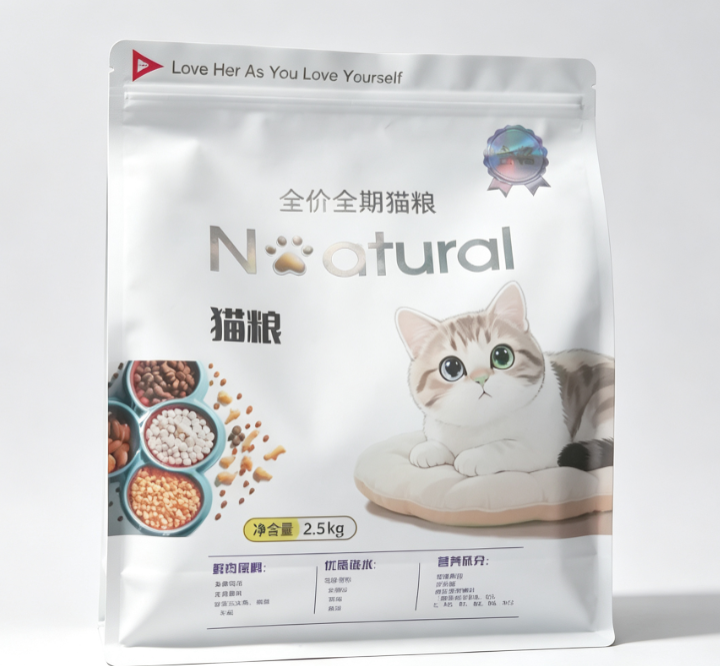
The factory also supplies stand-up zipper formats, kraft paper combinations, and automatic roll film for vertical form-fill-seal machines. Bakery, snack, and pet-treat brands have adopted these most quickly because the story on the pack matches the product inside. Where the fill is oily or wet, the supplier typically recommends a foil-free barrier upgrade rather than straight PLA.
The Limitations Buyers Should Expect
Compostable does not mean drop it anywhere. Most certified film needs industrial composting, roughly fifty-eight degrees and active microbes, to break down on schedule. Home compost bins rarely reach that heat, so the bag may persist for a long while in a backyard pile. If your customer expects a backyard result, that gap has to be managed in labeling.
Shelf life is another reality. PLA bags can lose seal strength faster than conventional film if stored hot or stacked under load. Price runs higher per unit, often meaningfully so, because feedstock and certification add cost. A good distributor will be honest about these tradeoffs instead of burying them, because a returned batch hurts more than a frank conversation up front.
How a Factory Supplies and Customizes PLA Bags
Production starts with the web. The manufacturer extrudes or laminates the film, prints it, then converts it into the finished bag or roll. Customization covers size, thickness, zipper style, degassing valve, matte or gloss finish, and the printed artwork itself. OEM programs let a brand owner ship under their own label with the factory acting as silent production partner.
Export logistics matter as much as the film. The supplier handles documentation, palletization, and the paperwork that customs expects for bio-based goods. Small runs are possible but carry a setup premium; volume orders smooth the unit cost. Lead times stretch when a new print cylinder is needed, so planning the artwork early protects the ship date.
Choosing the Right Supplier for Your Order
Specifying the material is only half the work. The other half is finding a partner who can deliver consistently and prove the claims. Request samples before committing, run your own seal and drop tests, and confirm the certificate maps to the exact film you were quoted. Communication speed during this phase predicts how the rest of the relationship will go.
Dongguang Xingrui Plastics Co., Ltd. operates as a flexible-packaging manufacturer with export experience across these formats, offering OEM and customization from the factory. When the buyer's own name belongs on the pack, that kind of direct, documented supply chain is what keeps a sustainable claim defensible on the shelf.
References
EN 13432. Requirements for packaging recoverable through composting and biodegradation. European Committee for Standardization.
ASTM D6400. Standard Specification for Labeling of Plastics Designed to be Aerobically Composted in Municipal or Industrial Facilities. ASTM International.
ISO 17088. Specifications for compostable plastics. International Organization for Standardization.