

Resealable Zipper Pouches for Snacks and Daily Use
The humble zipper turned the flexible bag from a one-use wrapper into a container people keep on the kitchen counter. For snack brands, pet treats, and a long list of dry goods, that reseal is now expected rather than optional. This article looks at how the zipper works, what it protects, and what a buyer should specify when ordering pouches from a manufacturer.
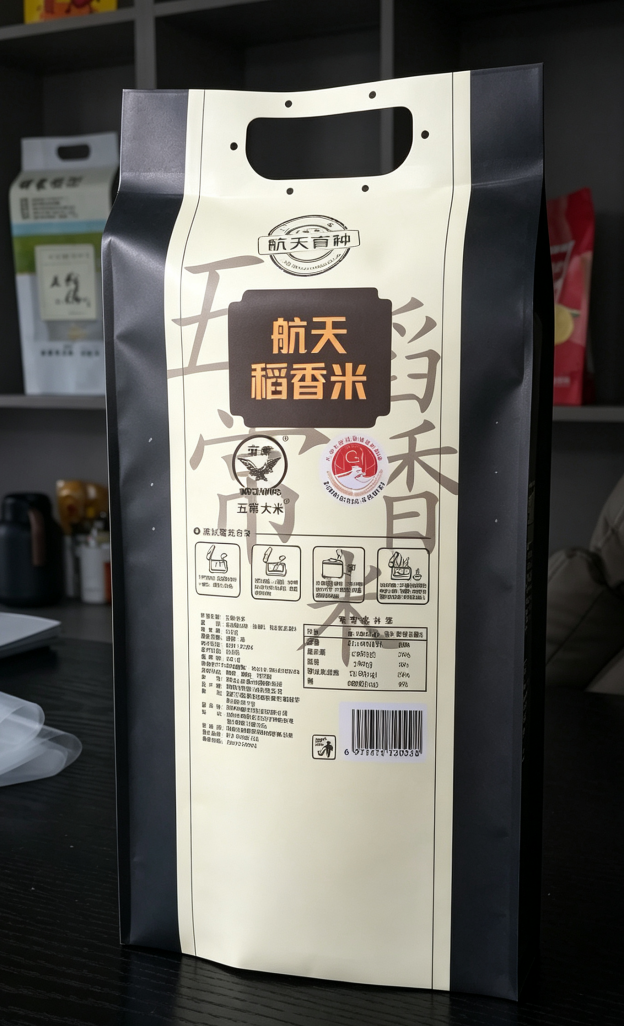
The zipper changed the snack aisle
Before resealable film, opening a bag meant a clip, a fold, or a race to finish the contents. The press-to-close zipper removed that friction, and shoppers rewarded the packs that offered it. A brand that omits the feature now looks behind the category, while one that includes it meets a baseline expectation. The zipper is no longer a premium add-on but a standard line item in most snack specifications.
How a press-to-close seal works
The zipper is two interlocking profiles extruded onto the pouch during manufacturing, sitting below a tear notch that opens the pack the first time. Press the strips together and they seal; pull them apart and the bag reopens. The seal must survive dozens of cycles without losing grip, so a manufacturer tests the closure for reclose strength rather than assuming it holds. A supplier that quotes that figure is taking the feature seriously instead of treating it as decoration.
Pairing zipper with the pouch format
Most resealable bags are stand-up pouches, because standing plus resealing is what keeps the product on display between uses. The zipper can also sit on flat and gusseted bags for larger dry goods. A distributor stocking zipper pouches in the common stand-up sizes covers the bulk of snack and treat demand, and a factory offering the zipper as an integrated part of the same pouch avoids the weak point of a separately applied closure.
Freshness after first open
The zipper's job is to slow the decline that starts the moment a pack is opened. It keeps crisps crisp by limiting air, and it keeps dry goods from picking up humidity on a damp day. For a brand, that protection extends the enjoyable life of the product and supports repeat purchase, because the last serving tastes like the first. A manufacturer pairing the zipper with a sensible barrier film makes that promise real rather than printed.
Child and tamper considerations
Some products need a closure that is hard for small children to open, while nearly all benefit from a tamper-evident opening. The tear notch above the zipper gives a clear first-open signal, and special closures exist for pharmaceutical and chemical fills. A supplier should ask what the product is before specifying the closure, because the right zipper for a sweet is the wrong one for a detergent pod.
Filling and the tear notch
On the line, the zipper must not interfere with filling or with the final top seal. A poorly placed profile can trap product in the seal and cause leaks, so the manufacturer's drawing of the pouch matters as much as the film. A supplier providing a clear specification, including the notch position and the seal band, lets the packer set the machine without a day of trial and error that costs more than the bag.
Sourcing from a manufacturer
Resealable pouches combine printing, lamination, and a fitted closure, which is exactly the kind of multi-step pack a trader struggles to control. Buying from a manufacturer that runs the whole process keeps the zipper aligned with the print and the seal, and gives one accountable partner when a closure batch underperforms. For a brand whose name sits on the pack, that single point of control is worth more than splitting the job to save a fraction per unit.
Zipper placement and the fill
The zipper sits below the top seal and above the product, and its position decides how much headroom the packer has to work with. Place it too close to the seal and product contaminates the closure; too low and the bag wastes space. A manufacturer's drawing should fix this dimension for the product's fill, and a supplier providing it upfront saves the packer from a trial run that discovers the mistake only after a reel is half gone.
Cost versus the retained customer
The zipper adds cost per bag, but it also adds the reason a customer finishes the pack fresh and buys again. Viewed across a product's life, that retained repeat purchase usually outweighs the small per-unit premium, which is why the feature spread from premium lines into everyday snacks. A distributor who explains this trade to a value-focused buyer often converts the objection into an order, because the maths favours the zipper once repeat sales enter it.
References
1. Flexible Packaging Association - State of the Industry Report, United States, 2023.
2. ISO 18602:2013 - Packaging and the environment - Optimization of the mass of a sales packaging.
3. Smithers - The Future of Flexible Packaging to 2028, market report.