

Pet Food Packaging Bags: Protecting Flavor, Fat, and Shelf Life
Pet owners read packaging the way parents read baby food labels — closely, and with strong opinions. That scrutiny has pushed pet food packaging into some of the most demanding work in flexible film. Bags must hold heavy, fat-rich, strongly aromatic products for months, survive pallet stacking and retail handling, and still look good enough to earn trust at first glance. Meeting all three at once is a materials problem, and it is worth understanding before the next purchase order.
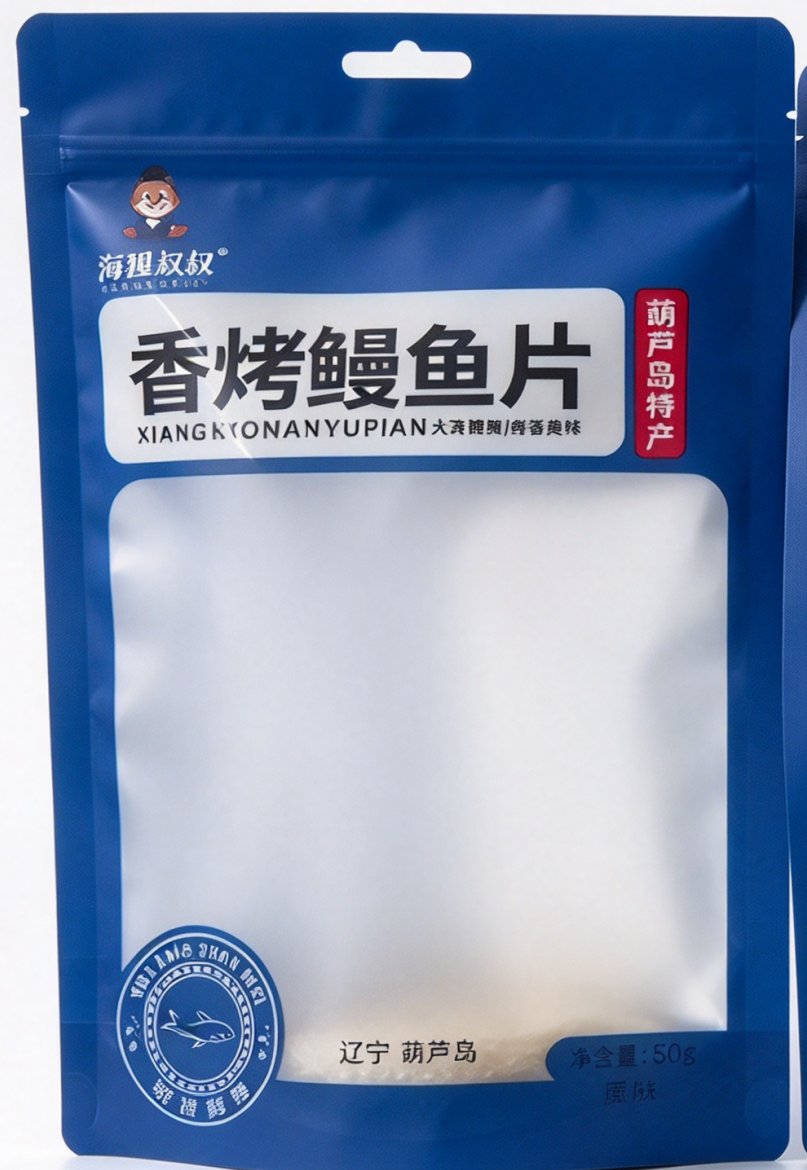
What Makes Pet Food Hard to Package
Three characteristics drive the specification. First, fats: kibble and treats carry oils that migrate through ordinary films, staining the print layer and eventually leaking at weak seams. Second, aroma: both protecting the flavor pets expect and containing the smell owners do not want in the pantry. Third, weight: even small-breed formulations mean multi-kilogram bags that stress seals, gussets, and handles in ways light snack packaging never faces.
High-fat formulas also oxidize, so the film must block oxygen over a genuinely long shelf life. A structure that works for cereal will disappoint a premium cat food within weeks. This is why pet food converters lean on high-barrier laminates rather than generic films.
Film Structures That Hold Up
A common high-barrier pet food structure pairs a printed PET outer layer with a metallized PET or foil barrier, an optional PA layer for puncture resistance, and a robust PE sealant inside. Foil-based structures suit the most oxygen-sensitive and long-shelf-life formulas; metallized versions cover the mainstream at friendlier cost. Matte black finishes have become popular in the premium cat food segment partly for looks and partly because they conceal oil residue elegantly.
Dog food bags in larger sizes frequently use quad seal or side gusseted flat bottom constructions, which stand square and stack efficiently on pallets. Tear notches, die-cut handles, and resealable zippers appear across the size range, and each one adds a converting step that must be controlled — a zipper installed below the fill line is a classic specification error that a competent factory will catch before production, not after.
Beyond Barrier: The Physical Abuse Test
Pet food packaging is handled roughly by design. Bags are dropped into shopping carts, dragged from delivery boxes, and stored under heavier bags on warehouse pallets. Converters therefore test drop resistance, stacking compression, and seal burst strength, not just gas transmission. Buyers comparing suppliers should ask what physical tests are run per batch and request samples that have actually been through those tests with representative fill weights.
Sharp-edged kibble and freeze-dried treats add a puncture dimension; heavier films and PA layers address it. Soft-moist treats introduce yet another challenge, since they need films that manage moisture in both directions. One film structure does not cover the whole category, which is precisely why suppliers should ask what the product is before quoting anything.
Design and Communication Details That Sell
Packaging does part of the marketing work in this category. Full-panel printing carries imagery of pets and ingredients, feeding-guide tables, and ingredient declarations — a lot of small text that must survive printing at readable quality. Window patches showing kibble shape build trust, while resealable closures answer the practical question every multi-week bag must answer: how does it stay fresh after opening?
Sustainability expectations are rising here too. Lightweight mono-material structures are emerging as recyclability standards tighten, though most high-barrier pet food bags remain multilayer laminates. Manufacturers that track these developments can advise buyers honestly about what is achievable today versus what is still marketing language.
Choosing a Pet Food Bag Supplier
When evaluating factories, prioritize category experience. Ask whether the manufacturer has produced bags for dry kibble, treats, or freeze-dried products, and at what bag sizes. Confirm in-house printing and lamination, food-contact documentation for the sealant layers, and batch-level seal testing. For custom private-label work, request printed mock-ups of your own artwork — gusset print alignment and small-text legibility are where weak converters show themselves.
Volume logistics matter as well. Pet food buyers usually reorder on predictable cycles, so a supplier's lead-time consistency and packing quality for sea freight are part of the real cost, even though they never appear on the unit price.
Final Perspective
Pet food packaging succeeds when materials engineering and retail presentation arrive together: a barrier film that keeps fats and aromas where they belong, seals that survive rough handling, and print quality that reassures the owner holding the bag. Specify from the product's real stresses, test with filled samples, and choose a manufacturer that treats pet food as its own discipline rather than a variant of snack packaging.
References
ASTM International, D1709 Standard Test Method for Impact Resistance of Plastic Film by the Free-Falling Dart Method.
European Commission, Regulation (EC) No 1935/2004 on materials intended to come into contact with food, applicable to pet food packaging films.
Flexible Packaging Association, industry reports on pet food flexible packaging trends and barrier requirements.
Journal of Plastic Film and Sheeting (SAGE Publications), research on oil migration and barrier performance in multilayer films.