

Flat Bottom Bags and Box Pouches: The Premium Shelf Format Explained
On a crowded retail shelf, geometry sells. Flat bottom bags — also called box pouches or bottom gusset bags — stand perfectly square, hold more product in the same footprint, and present five printable panels instead of the two or three a standard pouch offers. Coffee roasters and pet food brands adopted the format early; specialty foods, tea, and powders have followed. Understanding why the structure costs a little more, and where it earns that premium, helps buyers decide whether it fits their product.
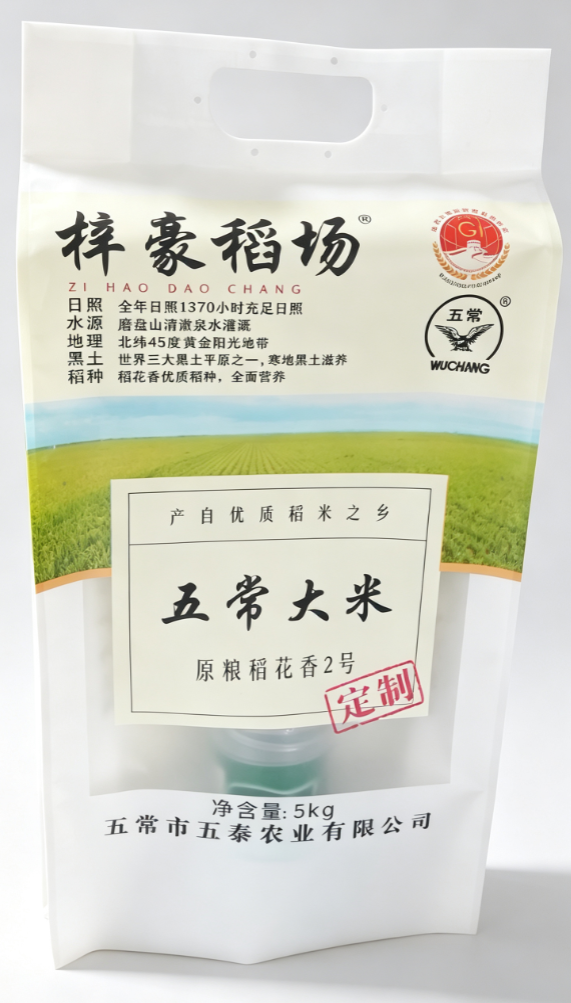
How a Flat Bottom Bag Is Built
Unlike a standard stand-up pouch with a single bottom gusset, a flat bottom bag has two side gussets and a folded bottom that creates a rectangular base. Some designs add a quad-seal construction where all four corners are folded and sealed. The result stands like a small brick: stable under stacking, efficient in cartons, and remarkably presentable on a shelf.
That stability comes from engineering. More folds mean more seal lines, and every seal line is a potential leak path if converting quality slips. Corner creases, gusset alignment, and fold radii are the details that separate a crisp box pouch from a bag that bulges and leans. Factories with strong converting experience produce the former; shortcuts produce the latter.
Why Coffee Roasters Love the Format
Coffee puts the format's strengths to work. Fresh-roasted beans need a one-way degassing valve, so the standard flat bottom coffee bag includes one; CO₂ escapes without oxygen entering, protecting aroma for weeks. A resealable zipper above the valve keeps the rest of the bag fresh after opening. And the rectangular base means the bag sits neatly in retail displays and pour-over stations, where round-bottom pouches wander.
Five printable panels give roasters room for origin stories, tasting notes, and brewing guides — content that genuinely moves product in specialty coffee. Tea, matcha, and premium cocoa brands adopted the same logic for the same reasons.
Beyond Coffee: Pet Food and Heavy Products
Quad seal and side gusseted flat bottom constructions carry weight well, which is why pet food brands use them for premium dog and cat food lines. A three-kilogram bag with a flat base stacks on a pallet without deforming, and the box-like shape prints brand graphics on every visible face. Heavy contents also demand strong films — PA-reinforced laminates and wider seal bands — so the structure and the material specification have to be planned together.
Powders, protein blends, and baking mixes follow the same pattern: heavier fill, taller stack, wider seals. A supplier experienced in these categories will already know which film thicknesses survive stacking tests and which seal designs hold under drop testing.
Sourcing Considerations: What to Check With a Factory
Because flat bottom construction is conversion-intensive, factory capability shows quickly. When comparing suppliers, ask whether the factory runs its own gusset-forming and sealing lines, and request samples filled with a weight similar to your product. A pouch that stands perfectly empty may lean when filled; only a filled, stacked sample tells the truth.
Print registration across multiple panels is another checkpoint. Graphics that look right flat can drift at the gusset folds, splitting a logo across two panels. An experienced prepress team plans for this during artwork setup, which is one more reason to work with a manufacturer that handles design conversion in-house rather than outsourcing it.
For food products, confirm the film's food-contact compliance and ask for batch test reports on seal strength and gusset integrity. Buyers planning valve or zipper features should also confirm that those operations are controlled in-house, since every added step is a new quality variable.
Is the Premium Worth It?
Flat bottom bags cost more than standard stand-up pouches for plain reasons: more material folds, more seal operations, more skilled labor. The value question is straightforward. If the product competes on shelf appearance, sells at a premium price point, or needs efficient stacking in retail, the format usually pays for itself in presentation and logistics. For value-positioned bulk goods, a simpler pouch may be the smarter spend.
An honest manufacturer will discuss that trade-off rather than upselling by default. Treat a supplier's willingness to recommend the cheaper correct option as a strong signal about the partnership.
Closing Thoughts
Flat bottom and box pouches turn a flexible bag into a small brick of brand presence — square on the shelf, efficient in the box, generous with printable space. Choose it when presentation and stacking genuinely matter, specify films and seals for the real fill weight, and source from a factory that proves its converting quality with filled samples. The format rewards exactly that diligence.
References
Flexible Packaging Association, publications on pouch formats and shelf-impact packaging trends.
ASTM International, F88/F88M Standard Test Method for Seal Strength of Flexible Barrier Materials.
European Commission, Regulation (EC) No 1935/2004 on food contact materials, applicable to laminated pouch structures.
Institute of Packaging Professionals, Fundamentals of Packaging Technology, chapters on pouch converting and gusseted formats.