

Stand-Up Pouches: Features, Applications and Benefits for Food Packaging
Walk down any food aisle and you will see them: flexible bags that stand on their own, with a flat base and a front panel carrying the brand. Stand-up pouches have pushed jars, cans and cartons off the shelf over the past twenty years because they pack flat before filling yet behave like rigid containers afterwards. This article looks at how they are made, which foods suit them, and what to check when buying from a flexible packaging supplier.
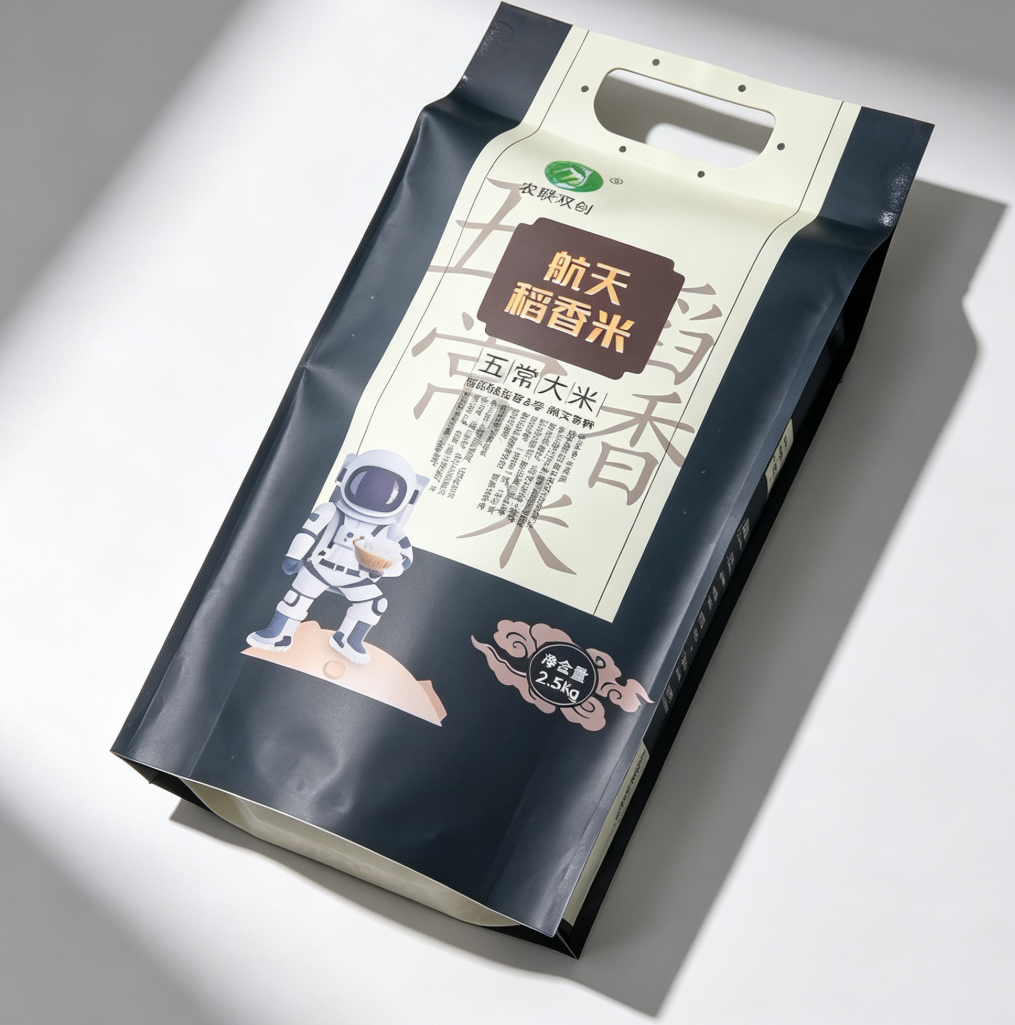
What Makes a Stand-Up Pouch Stand Up?
A stand-up pouch is a flexible bag heat-sealed from printed film with one extra panel folded into the bottom. That panel, the bottom gusset, opens into a flat base when the pouch is filled, and the weight of the product holds it there. Because the pack stands without a tray or carton, it uses less shelf space than rigid packaging while offering a large front panel for branding. Empty pouches arrive flat, so a food manufacturer can store thousands on a pallet and fill them as orders come in.
Anatomy of a Stand-Up Pouch
Every stand-up pouch combines the same elements. The main body is a single sheet of film folded to form the front and back walls, or two sheets sealed at the side edges. The bottom gusset is welded between them, and the top is closed after filling. Around that structure the buyer picks the extras: a press-to-close or slider zipper for resealing, a spout for pouring, a tear notch for fast opening, or a hanging hole for retail hooks. Sizes run from single-serve packs of around 50 grams to five-kilogram bags of pet food, so one production line can serve very different orders.
Barrier Films: What Multi-Layer Lamination Does
Few foods keep well in a single-layer bag, so stand-up pouches are laminated from several films. The classic food construction is PET/AL/PE: polyester on the outside for stiffness and a smooth printing surface, aluminium foil or a metallised layer in the middle to block oxygen, moisture and UV light, and polyethylene on the inside to form the heat seal and accept the zipper or spout. Suppliers test finished film for oxygen transmission rate under ASTM D3985 and for water vapour transmission under ISO 15106, so barrier claims can be checked against real numbers. Coffee, nuts, dried fruit and spices all spoil through oxygen and moisture, which is why foil is standard for these products rather than an upgrade.
Common Food Applications
Coffee roasters adopted stand-up pouches early, usually fitting a one-way degassing valve that lets fresh beans release CO2 without letting air back in. Tea, dried fruit and nuts follow the same logic: they are sensitive to moisture and oxygen, and a resealable pouch stays useful after opening. Snack makers pack popcorn, jerky, crackers and confectionery in zippered stand-up pouches, while cereals use the wide printable panel for bold branding. Pet food has become one of the biggest categories for the format; a standing, resealable bag is easy to scoop from, and sizes run from 100 g training treats to large bags of kibble.
Zippers, Spouts and Fitments
The closure should match the product and its users. Press-to-close zippers are the economical standard for snacks: two profiles click shut when the consumer presses the top edge. Slider zippers open and close more easily, which suits older hands and children, and they give a tidy, finished look. Child-resistant zippers are available where the contents need restricted access, keeping young children out while staying simple for adults. For sauces, soups, honey, liquid coffee and baby purees, a spout with a cap turns the pouch into a pourer that stands in the fridge door. Fitments are applied during pouch making, not at the filling line, so the closure type has to be settled with the factory before artwork is finished.
Print Quality and Shelf Presence
Print is the fastest way a pouch earns attention. Two processes dominate: rotogravure, which uses engraved cylinders and gives rich, consistent colour on very long runs, and flexography, which has closed much of the quality gap and keeps short and medium runs affordable. Both lay down up to ten colours, so photographic images, fine screens and logos reproduce cleanly. Quality is not only about the press: print applied to a poorly prepared film surface, or cured badly, scratches, fades and flakes before the pack reaches the shopper. Factories with in-house printing control that chain from the ink kitchen to the finished roll, proof new designs quickly and repeat them exactly on reorders.
Sourcing From a Factory With In-House Printing
For a food brand, choosing a supplier comes down to control and speed. When one manufacturer produces the film, prints it and converts it into pouches under one roof, quality is checked at every step and faults are caught while the material is still in-house. Lead times shorten because reels never travel between separate printers and converters, and one team answers for structure, print and delivery. Buyers sourcing in China increasingly prefer such full-process factories over trading houses that resell standard bags. Whatever factory you evaluate, ask for printed samples and film test reports, and confirm how the supplier documents food-contact compliance for your market, such as FDA 21 CFR Part 177 in the United States.
References
ASTM D3985-21. Standard Test Method for Oxygen Gas Transmission Rate Through Plastic Film and Sheeting Using a Coulometric Detector. ASTM International, West Conshohocken, PA.
ISO 15106-3:2003. Plastics — Film and sheeting — Determination of water vapour transmission rate — Part 3: Electrolytic detection sensor method. International Organization for Standardization, Geneva.
FDA 21 CFR Part 177. Indirect food additives: polymers. U.S. Food and Drug Administration.