

Vacuum Packaging Bags: How They Work and Why Food Producers Choose Them
Vacuum packaging bags have become a cornerstone of modern food production, helping manufacturers extend shelf life, reduce waste, and deliver fresher products to store shelves. Understanding how vacuum bags work and what separates a reliable manufacturer from the rest will directly affect your product quality and operational costs.
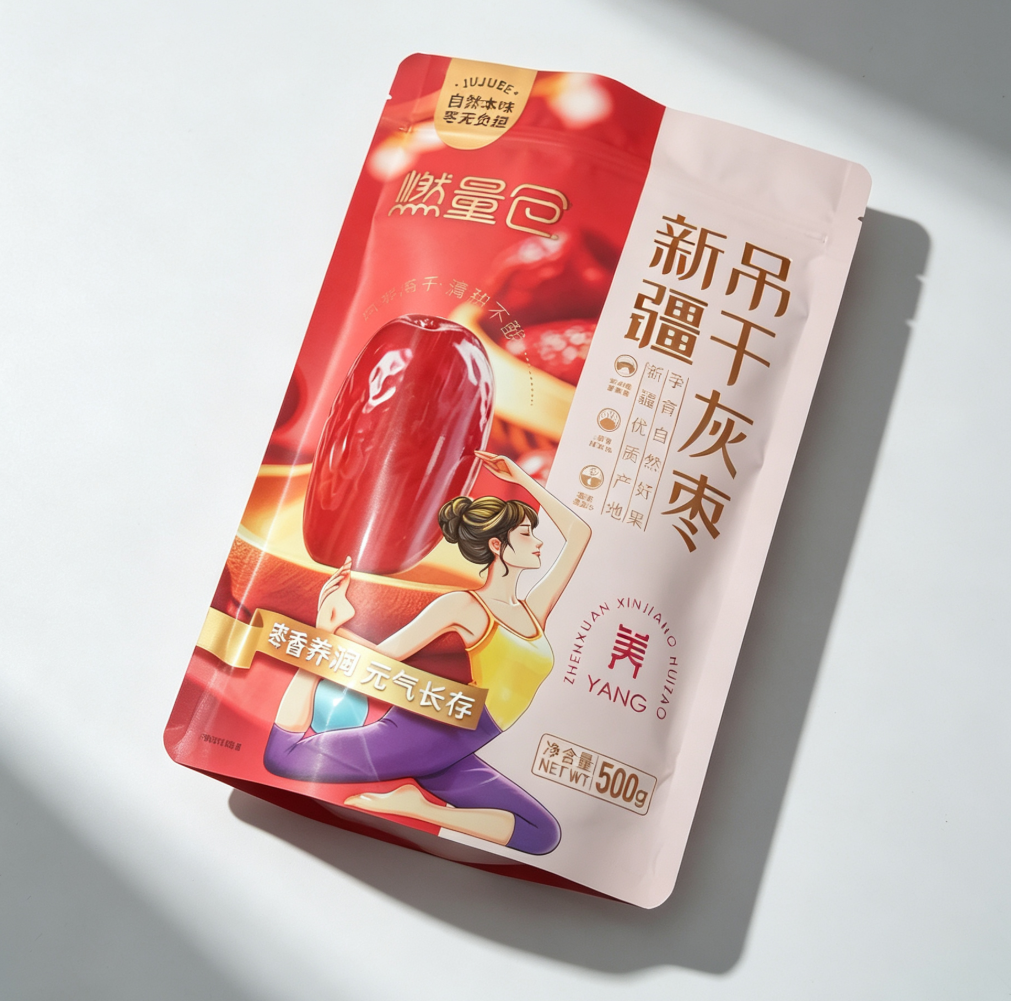
How Vacuum Packaging Works
The principle is straightforward: air is evacuated from the bag before sealing, dropping the oxygen level inside the package to below 1 percent. With so little oxygen present, aerobic bacteria cannot grow, and oxidation—which causes fats to rancidify and colours to fade—is dramatically slowed. The result is a product that stays fresher and safer for weeks or months longer than conventionally packed alternatives.
The process uses a vacuum chamber machine or an external sealer. The bag is placed inside, air is drawn out, and the open end is heat-sealed in a single controlled cycle—seconds per bag—making it compatible with high-speed production lines.
Vacuum Bags vs. Vacuum Skin Packs
These two methods are often confused, but they are distinct. Vacuum bags are pre-formed pouches, open on one end, into which product is placed before the bag is evacuated and sealed using a chamber or external sealer. They are available in a wide range of sizes and thicknesses and work well with irregularly shaped products when correctly sized.
Vacuum skin packs use heated film that drapes over the product and is vacuum-drawn so the film shrinks and clings to every surface. While popular for retail display, skin packs require different equipment and film formulations. For most food producers in wholesale or industrial distribution, pre-formed vacuum bags remain the practical, cost-effective standard.
Material Construction: Coextruded Films and Embossed Designs
Professional vacuum bags are typically multilayer coextruded films. A common structure layers nylon (PA) with polyethylene (PE): nylon provides puncture resistance and structural strength, while polyethylene delivers a reliable heat-sealable surface and moisture barrier. Some premium structures add an EVOH barrier layer for reduced gas transmission.
Embossed vacuum bags feature a textured pattern on one film surface that creates channels for air evacuation, even on uneven product geometry or sharp edges. This reduces trapped-air voids that would otherwise compromise the vacuum.
Why Oxygen Transmission Rate (OTR) Matters
Oxygen Transmission Rate (OTR) measures how much oxygen passes through the bag film over 24 hours under standard conditions, expressed in cubic centimetres per square metre per day (cc/m²/day). Lower OTR means better oxygen exclusion. Standard PA/PE coextruded bags typically sit in the 30–80 cc/m²/day range. For oxygen-sensitive products such as fresh meat or dried seafood, an OTR below 10 cc/m²/day is preferred.
Aluminium foil vacuum bags offer the highest barrier, blocking virtually all oxygen with an OTR of essentially zero. For dried seafood, roasted nuts, and seaweed snacks where oxidative rancidity is a serious risk, foil-based bags from a foil manufacturer with validated testing are often specified. Food-contact regulatory compliance in your target market is also a critical factor in material selection.
Common Food Applications
Vacuum bags serve a broad range of food categories. Fresh and frozen red meats, poultry, and seafood benefit from reduced oxygen, which delays discoloration and bacterial growth. Hard and semi-hard cheeses stay fresher without excessive drying. Dried seafood products such as dried squid and fish maw are highly prone to oxidation and are routinely vacuum-packed by producers for export markets.
Seaweed snacks, crisp foods, and roasted nuts are additional categories where moisture and oxygen sensitivity make vacuum packaging the preferred method. The bags protect fragile textures from crushing while preventing the stale flavours that develop when unsaturated fats oxidise. The right bag choice makes a measurable difference at the retail shelf.
Bag Thickness and Seal Integrity
A vacuum bag is only as good as its seal. Seal strength is measured in Newtons per 15 millimetres of seal width (N/15mm), with professional food packaging typically requiring 15–30 N/15mm depending on product weight and handling. A weak seal allows air to re-enter the package, rapidly destroying the vacuum and the preservation it provides.
Bag thickness, expressed in microns, affects puncture resistance and seal quality. Products with sharp edges—such as bone-in cuts or dried fish with rigid fins—require heavier-gauge bags, typically 90–120 microns. Thinner bags in the 60–80 micron range suit softer products in standard chamber machines. A flexible packaging manufacturer with application expertise can recommend the right gauge for your specific product and distribution conditions.
Why Your Packaging Supplier Matters
Experienced food producers know that leakers, seal failures, and inconsistent film quality on the packaging line translate into costly rework, scrapped product, and potential customer returns. Consistent film quality from a reliable manufacturer means tight tolerances on gauge, seal dimensions, and OTR across every roll. Precise seal dimensions—controlled to fractions of a millimetre—help ensure that every bag seals correctly on your specific equipment, reducing stoppages and improving line throughput.
Working with a flexible packaging supplier who validates its processes through quality control testing is about building a supply relationship where every bag performs as expected, order after order. For food producers who need dependable performance on the production floor, that consistency is the most valuable feature a packaging manufacturer can offer.
References
ASTM F1921/F1921M-18. Standard Test Method for Hot Seal Strength of Flexible Barrier Materials. ASTM International.
ISO 7755-2:2014. Aluminium foil — Part 2: Tolerances on dimensions. International Organization for Standardization.
EU Regulation 10/2011 on plastic materials and articles intended to come into contact with food. European Commission.