

Food Safety Standards for Plastic Packaging: What Every Buyer Should Know
Food contamination stories rarely begin with the food itself. Often they start with the packaging. A film, pouch or bag that sits against a snack, a meal or a sauce has to do more than look clean: it must be proven safe for the job. For buyers sourcing flexible plastic packaging, understanding the standards behind that proof is what separates a smooth shipment from a regulatory hold-up, a fine, or worse.
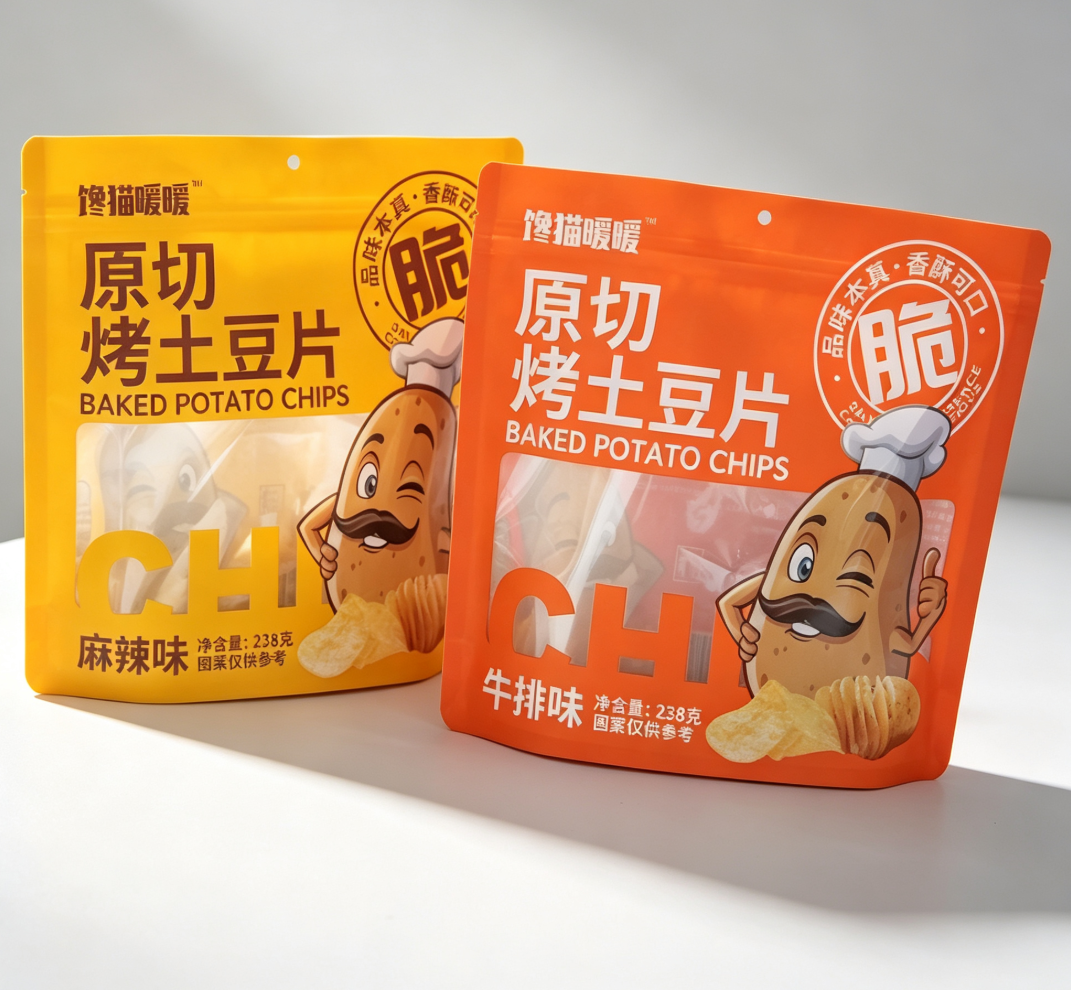
Why Food Safety Compliance Is Non-Negotiable
Packaging is not an inert bystander. Components in plastic can migrate into food, especially when the product is hot, oily, acidic, or stored for months. When that happens the bill arrives quickly: recalled batches, customs holds, and brand damage that outlasts any single product launch. Regulators treat packaging as part of the food chain, which means importers and retailers carry responsibility for what the packaging was tested against, not just for the food inside. For a film and bag manufacturer, compliance is therefore the technical baseline of every roll shipped, not a certificate to hang in the lobby.
EU Regulation 10/2011: The Plastic Regulation
Any plastic packaging intended to touch food and sold into the European Union falls under Regulation (EU) No 10/2011, commonly known as the Plastic Regulation. It maintains a Union list of monomers, additives, and starting substances approved for food contact plastics; anything not listed is simply not permitted. The same regulation requires good manufacturing practice and demands that materials pass migration testing before reaching the market. In practice this means a compliant supplier should be able to trace every resin and additive back to the Union list and issue a written declaration of compliance for each product family, not just for a single sample.
FDA 21 CFR: The Rules in the United States
Across the Atlantic the rules sit in Title 21 of the Code of Federal Regulations. Part 177 is the section most buyers hear about, because it covers the polymers themselves: the resins cleared for food contact, from polyethylene and polypropylene to PET and nylon. Depending on the resin and the intended use, a manufacturer relies on the relevant subpart of Part 177 or on a food contact notification. The takeaway for buyers is the same as in Europe: a food-grade claim must rest on a specific regulatory basis, supported by documentation, rather than on a reassuring but generic label.
Overall and Specific Migration Limits
Two numbers decide whether a food contact material passes. The overall migration limit (OML) caps the total quantity of substances that can transfer from packaging into food, set at 60 milligrams per kilogram of food under EU rules. The specific migration limit (SML) governs individual substances, because some monomers and additives are hazardous even in tiny amounts. Exceeding either figure makes the material non-compliant, no matter how well it performs otherwise. Trustworthy test reports show both values and state the conditions, time, temperature, and food simulant, under which they were measured, since the results shift with each of those variables.
Why the Food Type Matters
Foods behave very differently in migration testing. Fatty products differ from aqueous ones, and acidic or dry goods each have their own simulants and test conditions. A pouch that performs perfectly for nuts may never have been tested for hot oily snacks or a high-acid sauce. That is why packaging must be evaluated against the food type it will actually hold. When a manufacturer asks what will be packed inside, it is not small talk: the answer determines which simulants apply, what the test report must show, and whether the packaging is legally fit for your product.
What a Declaration of Compliance Contains
The Declaration of Compliance, or DoC, ties the whole story together. Under EU rules it should name the manufacturer and the product, describe the food types the packaging is intended for, list the substances used together with any restrictions attached, and confirm that overall and specific migration results sit within their limits. A solid DoC reads like a technical dossier, not a marketing sheet. If a supplier cannot produce one that mentions your food types and cites genuine test results, treat that as a red flag rather than an administrative gap you can sort out later.
Checking a Packaging Supplier
For buyers working with a Chinese flexible packaging manufacturer, the paperwork is the fastest window into how seriously the factory takes food safety. Ask which food safety management systems it operates, when it was last audited, and whether test reports come from accredited laboratories rather than in-house declarations. A supplier that holds recognised certifications and shares migration data openly usually has nothing to hide. Prices between factories are easy to compare; regulatory competence is harder to see, yet it is the part that actually protects your product, your customers, and your name.
References
European Commission. Regulation (EU) No 10/2011 on plastic materials and articles intended to come into contact with food. Brussels: Official Journal of the European Union, 2011.
U.S. Food and Drug Administration. 21 CFR Part 177: Indirect Food Additives: Polymers. Code of Federal Regulations, Title 21.
International Organization for Standardization. ISO 22000:2018, Food Safety Management Systems: Requirements for Any Organization in the Food Chain. Geneva: ISO, 2018.