

Laundry Detergent Liquid Pouches: A Buyer's Packaging Guide
What Are Laundry Detergent Liquid Pouches
A laundry detergent liquid pouch is a pre-filled, flexible sachet holding a single measured amount of concentrated detergent. Unlike a bulky bottle, the pouch uses a thin multilayer film that keeps the liquid sealed until the user tears or cuts it open. Many households now prefer these packs because they remove the guesswork from dosing and cut down on plastic weight per wash. For brands, the format opens a lower-cost route to market since the packaging material is far lighter than rigid containers. The factory can run them on high-speed form-fill-seal lines, which keeps unit cost down even at large volumes. The appeal is simple: less material, less freight, and a cleaner experience for the end user.
Film Structures and Materials
The performance of a liquid pouch rests almost entirely on its film stack. A typical structure starts with a polyester or biaxially oriented polypropylene outer layer that resists scuffing and prints cleanly. Beneath that sits an adhesive tie layer, then a barrier film such as aluminum foil or a metallized polyester that blocks oxygen, moisture and light. The innermost sealant layer is usually polyethylene or a cast polypropylene chosen for its hot-tack strength. Getting the sealant right matters because liquid detergent contains surfactants that can attack weak seals. The supplier will tune each layer's thickness to match the product's chemistry and the shelf life the brand requires. For example, a high-surfactant formula may need a thicker foil barrier, while a milder product can use a lighter metallized structure.
Leak Resistance and Child Safety
Nobody wants a pouch that weeps in the carton. Leak resistance comes from both material choice and seal integrity, so the responsible manufacturer tests every lot before it ships. Visual inspection catches obvious defects, but it is not enough on its own. ASTM F1929 describes a dye-penetration method for finding leaks in flexible barrier packages, and many factories adopt similar checks on the production line. Child safety is a separate concern because single-dose packs look like candy to small children. While the pouch film itself cannot be fully child-proof, the secondary carton and warning labels carry much of that responsibility. Brands should pair the pack with clear instructions and a lockable outer box when the market demands it. Distributors in regulated regions will ask for documentation showing the safety steps taken.
Dosing Accuracy and Concentration
One of the strongest reasons to choose a pouch is consistency. Each unit holds the same volume, so the wash result stays predictable from one cycle to the next. Concentrated formulas need less liquid per load, which lets the manufacturer shrink the pack size without cutting cleaning power. Accurate filling depends on the dosing system: a volumetric or gravimetric filler that is calibrated daily will hold tolerances far tighter than a manual pour. Tolerances around plus or minus two percent are realistic on a well-maintained line. For private label programs, that level of control protects the brand's reputation because the customer gets the same performance every time. It also reduces waste from overfill, which quietly eats margin at scale.
Applications and Product Types
Liquid pouches fit more than just standard laundry detergent. They work for fabric softeners, stain removers, delicates wash, and single-use travel packs. Some brands sell a mixed carton with different formulas for lights, darks and sportswear. The format also suits promotional samples that ride along with a new washing machine or a competitor's product. Because the film is printable, the supplier can place bold branding and usage icons directly on the pack. Export buyers often ask the factory to supply smaller counts per box to match local shelf space and price points. The flexibility of the format means the distributor can test a new scent in a limited run before committing to a full production campaign.
Standards and Compliance
Detergent products sold into the European Union fall under Regulation (EC) No 648/2004, which sets labeling and biodegradability rules that the packaging must support through clear print. Beyond regional law, a brand should expect its packaging partner to hold a quality system such as ISO 9001, which keeps production consistent across batches. Leak testing against ASTM F1929 gives buyers evidence that the seal will hold in transit and storage. The manufacturer that can show these credentials shortens the due-diligence process for overseas buyers. It also reduces the risk of a recall triggered by a weak seal or a mislabeled ingredient panel. Compliance is not paperwork for its own sake; it is the backbone of a product that survives the supply chain.
Sourcing and Customization Options
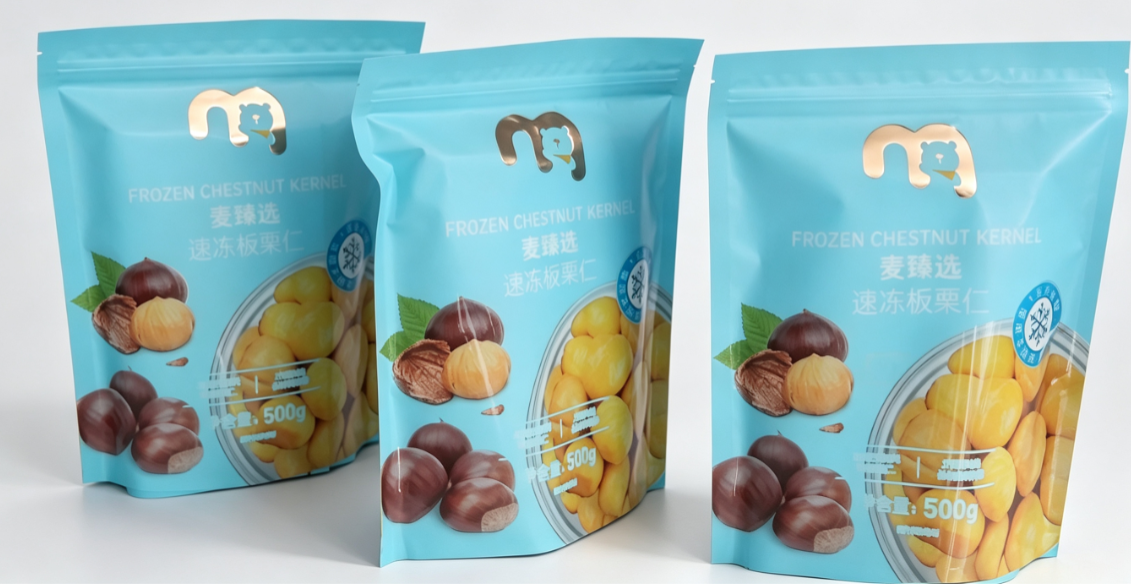
When a brand is ready to launch, the right partner can shape the whole project. The factory typically offers OEM service, meaning it builds the pouch to the buyer's spec rather than selling a generic stock item. Customization covers size, film structure, print, and the number of units per carton. Export experience matters because shipping flexible film across oceans stresses the seals and the cartons. The supplier with established export lanes knows how to pack and palletize so the goods arrive intact. Working factory-direct removes a layer of markup and lets the buyer negotiate volume pricing. Dongguang Xingrui Plastics Co., Ltd. runs exactly this kind of flexible-packaging operation, supplying stand-up zipper bags, vacuum bags, aluminum foil bags, kraft paper bags and automatic packaging roll films alongside liquid detergent pouches.
References
EU Regulation (EC) No 648/2004. Detergents. European Parliament.
ASTM F1929. Standard Test Method for Determining Leakage of Flexible Barrier Packages. ASTM International.
ISO 9001. Quality management systems — Requirements. International Organization for Standardization.