

Rice and Grain Storage Packaging Bags: A Buyers Guide
Why Proper Grain Storage Packaging Matters
A harvest is only as safe as the bag it travels in. After rice, wheat or maize leaves the dryer, it faces a quiet battle with humidity, insects and microbes. A single weak seam can let moisture in, and within weeks a clean lot can clump, sprout or grow mold. Good packaging is not a finishing touch, it is part of the crop's value from field to shelf.
The right bag also protects price. Buyers in distant markets expect grain that arrives clean, dry and intact. When packaging fails, the complaint is about the product inside, not the bag. Choosing the correct structure up front reduces claims, keeps storage windows longer, and makes the supply chain steadier.
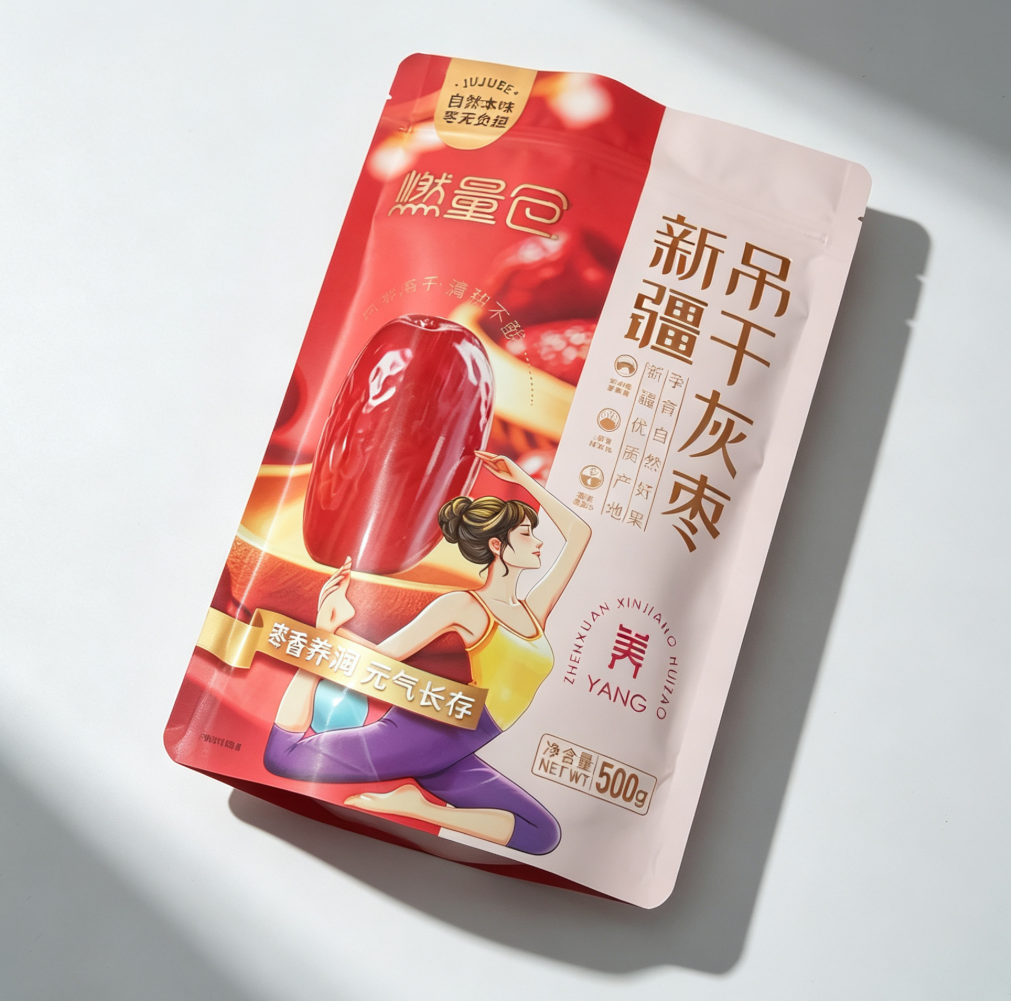
Types of Rice and Grain Storage Bags
Woven polypropylene bags are the everyday workhorse of the trade. The fabric breathes just enough to avoid condensation while staying tough against tears and drops. For longer protection, a laminated woven PP bag adds a film layer that blocks water vapor, which matters most in humid ports and rainy seasons.
Valve bags are filled through a small sleeve and then self close, which speeds automated lines and keeps dust low. Flexible intermediate bulk containers, or FIBCs, move half a ton to a ton and a half in one lift, cutting handling time on farms and terminals. Each format suits a different scale and the travel distance the grain must cover.
Moisture and Pest Protection
Moisture is the main enemy of stored grain. A laminated outer film or a sealed PE inner liner can hold humidity down inside the bag. Some buyers ask for hermetic sealing, where the bag is closed nearly airtight so insects cannot breathe and moisture cannot enter. This works well for rice kept in warm warehouses for months.
Pests are the second problem a good sack must solve. Fine weaves, tight seams and gusset closures make it hard for weevils and moths to get in. Adding a printed or treated liner adds another layer of defense. The key is consistency, because one torn corner on a pallet can start an infestation that spreads to nearby sacks.
Weights, Sizes, and Filling Methods
Retail and wholesale bags commonly run from 1 kilogram up to 50 kilograms, with 5, 10, 25 and 50 kilogram sizes the most requested. Larger FIBC units carry 500 to 1500 kilograms for bulk movement. The wall strength, seam style and lift loops must match the fill weight, or the bag will sag and fail during transit. Over spec is cheaper than a ruptured sack on the dock.
Filling method shapes the design more than most people expect. Open mouth bags are sewn or taped after filling. Valve bags drop straight into a spout and close on their own, which suits fast automated packing. Block bottom styles stand square on the shelf, stacking more tightly in a shipping container.
Labeling and Compliance for Food Contact
Grain is food, so the bag must meet food contact rules and carry clear labels. At minimum, prepackaged sacks show net weight, product name, country of origin, a lot number, and a best before date. A clean printed surface also lets distributors scan barcodes and track stock through their warehouses.
Materials that touch food need to be safe by law. A responsible factory uses resins and inks approved for food contact and can document the chain of compliance. This paperwork is boring but essential, because importers will ask for it at the border and retailers will ask for it before listing the product.
Transport, Handling, and Shelf Life
How a bag is moved decides how long the grain lasts. Palletizing keeps sacks off damp floors, and stretch wrap stops them sliding in a truck or container. Stacking height should leave air space so humidity does not build between layers. At the port, keeping bags out of direct sun protects both the print and the film.
With the right bag and clean storage, white rice can hold for twelve months or more, while whole grains vary by their oil content. The packaging does not stop time, but it slows the spoilage that wastes inventory and erodes margin. A steady dry warehouse paired with a solid bag is the simplest formula for fewer losses.
How a Manufacturer Can Supply and Customize Your Order
A direct factory can do more than ship a standard sack. Through OEM work, the supplier builds bags to a buyer's exact size, film structure, closure and surface print. Customization covers weave density, lamination thickness, valve type, liner material and multicolor printing that carries a private brand from the field to the retail shelf.
For companies that export, the manufacturer handles documentation, pallet patterns and container loading so the order arrives intact. Regional distributors keep popular sizes in stock and reorder on steady cycles. Working with one source from prototype to bulk run keeps quality consistent across every shipment.
This is where a partner like Dongguang Xingrui Plastics Co., Ltd. fits the need, offering factory direct supply, export experience and flexible customization for rice and grain storage bags in the volumes a buyer actually needs.
References
EU Regulation (EU) No 10/2011. Plastic materials and articles intended to come into contact with food. European Commission.
FDA 21 CFR 177. Indirect food additives: polymers. U.S. Food and Drug Administration.
Codex Alimentarius. General Standard for the Labelling of Prepackaged Foods (CODEX STAN 1-1985). FAO/WHO.