

Ordering Custom Printed Flexible Packaging: A Step-by-Step Guide for Brands
Ordering custom packaging for the first time can feel opaque. Quotes arrive with unfamiliar terms, sample rounds drag on, and the first shipment sometimes looks different from the approved sample. The process is actually quite learnable — and brands that understand it get better prices, faster deliveries, and fewer unpleasant surprises. Here is how a seasoned buyer approaches a custom printed pouch or bag project from start to finish.
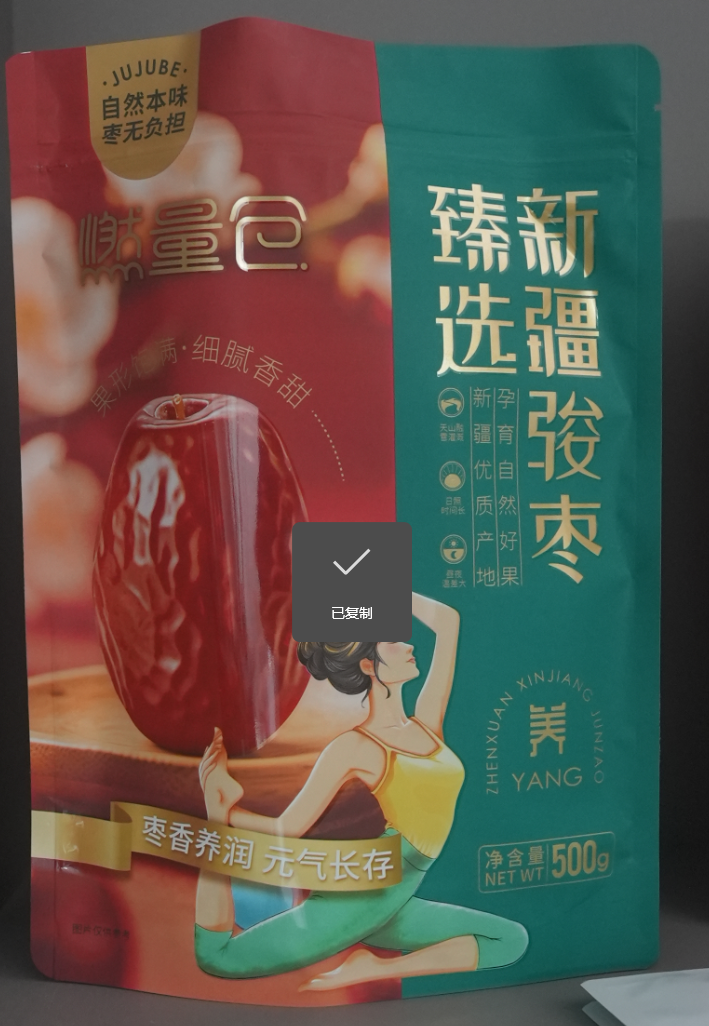
Step One: Define the Product Before the Design
Everything downstream depends on what goes inside the bag. A roasted nut mix, a liquid sauce, a three-kilogram pet food refill, and a single-dose coffee sachet each need different films, seals, and features. Before contacting any supplier, write down: product weight and characteristics, required shelf life, storage conditions, filling method (manual or machine), and any features you know you want — zipper, valve, handle, window, tear notch.
Suppliers notice when a buyer arrives prepared, and quotations become directly comparable because every bidder prices the same specification. Vague briefs, by contrast, produce bids built on different assumptions that cannot be honestly compared.
Choosing Between Manufacturer, Trader, and Marketplace Seller
Not everyone selling packaging actually makes it. A real factory controls printing, lamination, and converting in-house, which brings three practical advantages: better pricing at volume, faster response when adjustments are needed, and traceability when a batch fails. A trader can be useful for mixed small orders, but adds a margin and a communication layer between you and the machines.
Verification is easier than it used to be. Ask for a plant video walkthrough, confirm the factory's own production certificates, and check how quickly technical questions get answered — manufacturers answer film-structure questions in hours, intermediaries often forward them and reply in days. Payment terms and sample policies also tend to be more flexible directly from the factory floor.
Artwork: The Step Where Most Delays Hide
Printing on film is not printing on paper. Fine serif type can fill in at small sizes; gradient backgrounds may band on gravure cylinders; colors shift subtly between matte and gloss finishes. A good prepress team will review your file and flag these issues before cylinders are made — which is one of the clearest signs you are dealing with a capable factory.
Practical habits that speed the stage up: supply vector artwork, specify Pantone colors for brand-critical elements, and request a proofing method suited to your run size. For gravure runs, printed proof samples from the actual cylinder are worth waiting for; digital and flexo runs can usually be approved faster. Expect one or two rounds of revision on a first project — that is normal, and it is cheaper now than after production.
Samples, Pilot Runs, and the Right Order Size
Never skip physical samples. Stock samples show construction quality but not your printing; digital printed samples show graphics but not the final production film. The gold standard is a production sample made on the actual structure — some factories charge a sample fee, usually credited against the first order.
Then run a pilot batch before the full volume, especially if the bags will be filled on automatic machinery. Watch how the film behaves on your line, check fill levels against zipper positions, and inspect seals after transport simulation. If results are clean, scale up with confidence. Minimum order quantities deserve realistic attention too: custom printed work typically carries MOQs tied to cylinder and setup costs, so confirm them early rather than discovering them after design work is done.
Quality Terms, Lead Times, and the Long-Term Relationship
Put the important details in writing: film structure by layer, bag dimensions and tolerances, seal standards, packaging method for shipment, and what happens if a batch does not conform. Manufacturers with confidence in their quality control accept such terms readily.
For ongoing supply, treat the relationship as operational infrastructure. Keep a retained sample of each approved batch, give rolling forecasts where possible, and consolidate reorder artwork so repeat orders reproduce exactly. Factories reward predictable buyers with priority scheduling — a real advantage during seasonal peaks when every bag converter is running at capacity.
The Payoff for Doing It Properly
Custom flexible packaging is one of the few purchases that touches every customer, every time the product is used. Brands that invest a few extra weeks in specification, artwork discipline, and pilot testing end up with packaging that runs smoothly, protects the product, and looks exactly as designed. Brands that rush usually pay for it twice — once in wasted material and once in reputation.
References
European Commission, Regulation (EC) No 1935/2004 on materials intended to come into contact with food.
U.S. Food and Drug Administration (FDA), food contact substances guidance for flexible packaging films and inks.
Flexible Packaging Association, buyer-facing publications on custom flexible packaging processes and printing methods.
ISO 22000, food safety management systems standard frequently applied by packaging manufacturers.