

Stand-Up Zipper Pouches: A Practical Guide for Food Brands and Buyers
Walk down any supermarket aisle and you will notice something obvious: pouches have taken over shelves that used to belong to rigid jars and boxes. Snacks, dried fruit, pet treats, coffee, powders — nearly all of them now ship in stand-up zipper pouches. For a brand owner, that popularity is good news and bad news. Good, because the format works. Bad, because when everyone uses the same format, the details start to matter a lot more.
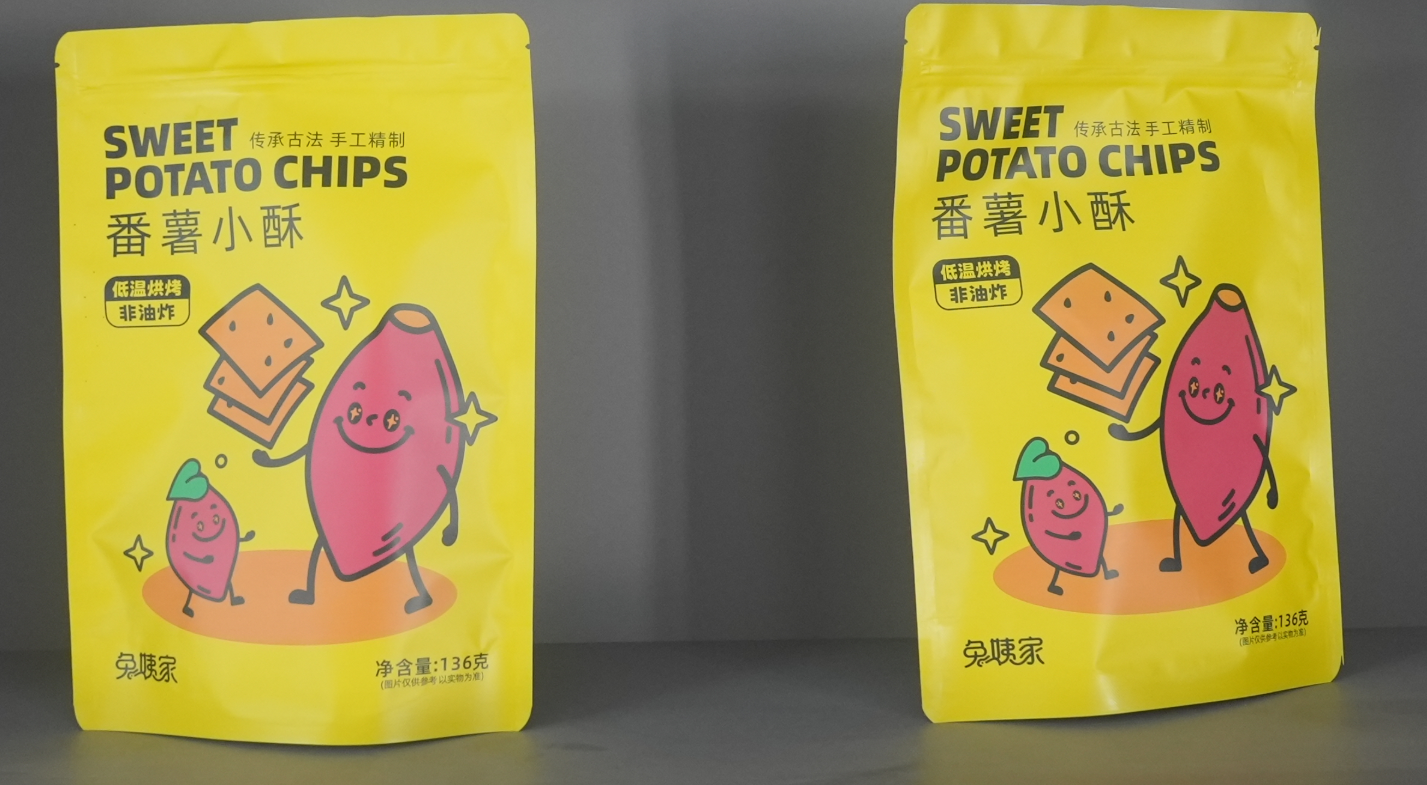
What Exactly Is a Stand-Up Zipper Pouch?
A stand-up pouch is a flexible plastic bag with a flat, gusseted bottom that lets it stay upright on a shelf once filled. Most food versions add a press-to-close zipper above the product area so consumers can reseal the bag after opening. The typical construction is a laminate: a printed outer film for graphics, a middle barrier layer such as aluminum foil or EVOH for oxygen and moisture control, and an inner heat-seal layer that bonds cleanly during filling.
That three-layer logic sounds simple, but each layer is a decision. Swap the barrier film and shelf life changes. Change the sealant layer and the bag might not run on your customer's filling line. A capable flexible packaging manufacturer treats these choices as engineering questions, not guesswork.
Why Food Brands Keep Switching to Pouches
Three reasons come up again and again when we talk with buyers at our factory. The first is freight. Pouches ship flat, so a single carton holds hundreds of empty bags where it might hold a dozen rigid containers. Customers who import pouches for their filling lines routinely cut shipping volume by half or more.
The second reason is shelf presence. Full-surface gravure or digital printing wraps color around the entire bag, front and back, with photo-quality detail. A label stuck on a jar simply cannot compete.
The third is the zipper itself. Resealability reduces waste, and reduced waste is something consumers notice. For dried chestnuts, oatmeal, candy, or dog treats, a pouch that closes properly keeps the product fresh between servings — which quietly builds repeat purchases.
Barrier Properties: Match the Film to the Product
Not every product needs the same protection, and over-specifying costs money. A crunchy snack mainly fears moisture; a roasted coffee blend fears oxygen even more. A high-fat pet food worries about odor transfer and grease migration. Before a supplier quotes a price, it should ask what is going inside the bag, how long it must stay fresh, and how it will be filled and stored.
As a rule of thumb, a plain PE laminate works for short-shelf-life dry goods. A VMPET or foil laminate suits long-life coffee, powders, and anything sensitive to light. Matte finishes, gloss varnishes, and degassing valves are options a well-equipped factory can add, but they should serve the product rather than the trend.
How to Judge a Pouch Manufacturer Before You Commit
Because the market is crowded, buyers should separate real manufacturers from trading intermediaries. Ask whether the company runs its own printing and lamination lines, and request a plant visit or a live video walkthrough. A transparent factory will show you clean production areas, in-house quality testing for seal strength and puncture resistance, and certifications relevant to food contact.
Sample quality tells you a lot as well. Order printed samples of your own artwork rather than relying on generic stock bags. Check how sharply fine text prints, whether the zipper closes smoothly after fifty opens, and whether the bottom gusset stands flat when filled. Then compare two or three quotes — not on price alone, but on what each supplier includes: plates, freight terms, tolerance on delivered quantity, and after-sales support if a batch misbehaves.
Common Mistakes Buyers Make
The most expensive mistake is ordering volume before the film structure is proven. Run a small pilot batch on your actual filling machine first. The second mistake is choosing a zipper position without checking the fill level; a zipper that sits below the product line cannot seal anything. Third, some buyers request the thickest possible film for durability and end up with a bag too stiff to stand or too heavy to ship economically.
Finally, do not ignore artwork preparation. Files that look fine on screen can lose small serif letters in gravure printing. A manufacturer with an experienced prepress team will flag those risks before the plates are made, not after.
Final Thoughts
Stand-up zipper pouches earn their popularity honestly: they protect, they display, they reseal, and they ship cheaply. What separates a smooth project from a frustrating one is rarely the pouch concept itself — it is the quality of the factory behind it. Choose a supplier that asks hard questions about your product, proves its film structures with samples, and stands behind the delivered batch. The rest of the shelf will take care of itself.
References
Flexible Packaging Association, annual industry reports on flexible packaging growth and consumer resealability preferences.
U.S. Food and Drug Administration (FDA), guidance on food contact substances and indirect food additives.
ASTM International, F88/F88M Standard Test Method for Seal Strength of Flexible Barrier Materials.
Institute of Packaging Professionals, Fundamentals of Packaging Technology (textbook reference on flexible packaging structures).