

Spout Pouches: Flexible Packaging Built for Liquids and Refills
Few packaging formats have grown as fast as the spout pouch. Laundry refills, rice pastes, baby food, beverages, honey, motor additives — products that once lived exclusively in bottles now pour cleanly from a flexible bag with a welded spout and screw cap. The shift happened for practical reasons: spout pouches use far less material than rigid bottles, ship flat, and open a wide canvas for printing. But they are also the most engineering-intensive bags in flexible packaging, which makes supplier choice unusually important.
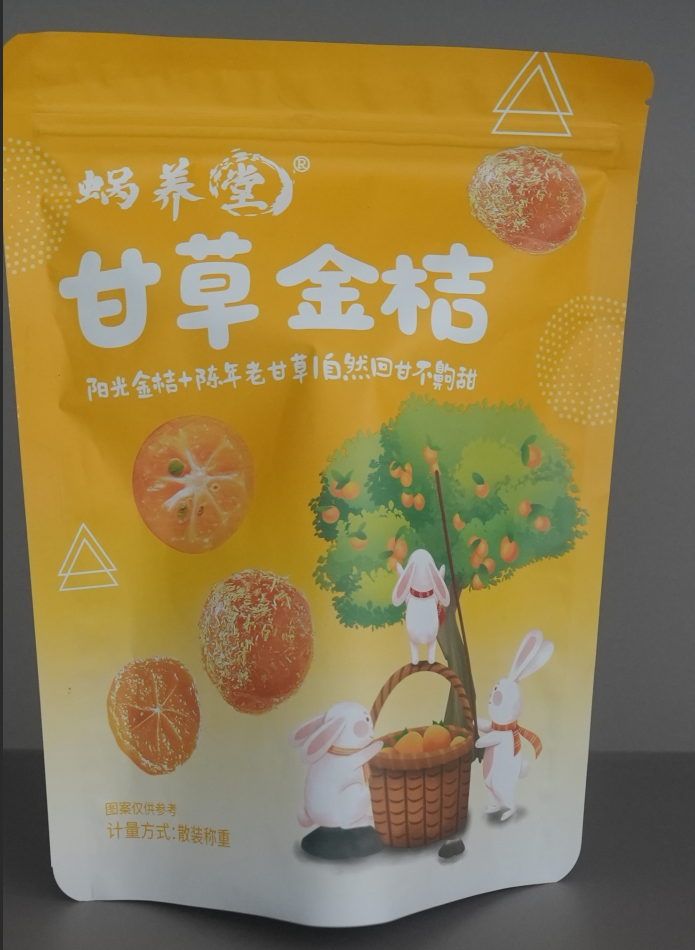
Anatomy of a Spout Pouch
A spout pouch — sometimes called a doypack with spout — combines a stand-up pouch body with a flexible spout welded into the film, closed by a threaded cap. The body is typically a laminate such as PET/AL/PE for high-barrier liquids or PET/PA/PE where puncture resistance matters more than light blocking. The spout and cap are usually polypropylene or polyethylene, welded on before or after filling depending on the production setup.
Every element has a failure mode. The weld between spout and film is the most critical joint in the bag; a weak weld leaks under stacking pressure or a squeeze. Cap torque, thread sealing, and inner plug design decide whether the pouch survives transport upside down. Good factories test weld pull force and cap leak performance batch by batch, because these are the exact points where returns originate.
Where Spout Pouches Make Sense
Liquids are the obvious fit, but the format covers more ground. Semi-viscous foods like sauces, pastes, and honey pour well through wide-bore spouts. Granular products such as rice and grains use handle-equipped spout pouches that pour without scooping. Detergent refills and garden chemicals benefit from the reduced plastic weight and lower shipping volume compared with rigid bottles.
For brands, the refill use case carries a quiet commercial logic: selling a sturdy "first bottle" once, then supplying refills in light pouches, builds repeat purchases around a lower-cost package. Retailers like it too, since flat-shipped pouches take less shelf and warehouse space.
Structures, Closures, and the Details That Decide Performance
Barrier choice follows the product. Oxygen-sensitive beverages and baby food generally need foil or EVOH layers; water-based detergents tolerate simpler PE structures. Hot-fill applications raise the temperature bar for both film and spout weld, so the filling process must be stated when ordering. Retort-sterilized products require specialized high-temperature laminates and spout systems rated for the process — an ordinary pouch will fail, and no inspection will catch it before use.
Closure options go beyond the basic cap: child-resistant caps, flip-top caps, measuring cups that double as closures, and tamper-evident rings for export markets. Valve-equipped spouts help foaming products vent during filling. None of these are decoration; each one exists because a product category demanded it.
Choosing a Spout Pouch Manufacturer
Spout welding is a specialized converting step, so not every flexible packaging factory handles it well. When evaluating suppliers, ask directly whether spout attachment happens in-house, what weld-strength testing the factory runs, and whether it has produced pouches for your product category — a factory experienced with liquid pouches already knows the leak-test protocols that matter. Request filled, transport-abused samples: drop tests, squeeze tests, and cap-cycle tests reveal more than any brochure photo.
Food-contact compliance is essential, and it applies to the spout and cap as much as to the film. Ask which regulations the components meet in your destination market and request declarations with the shipment. Buyers needing custom shapes, printed designs, or specific cap colors should confirm tooling options and realistic lead times early, since custom spouts involve mold considerations that flat bags never touch.
Practical Advice for First-Time Buyers
Start with a realistic trial order rather than a full container. Fill actual product, ship samples through real logistics lanes, and inspect after arrival — this simple routine catches most problems before they scale. Match spout diameter to your filling equipment, confirm cap alignment standards, and keep retained samples from each approved batch as a reference for future orders.
Final Word
Spout pouches turn flexible packaging into a genuine alternative to bottles — lighter, cheaper to ship, and more expressive on the shelf. The format rewards careful specification and punishes shortcuts, especially at the spout weld. Partner with a manufacturer that tests what it ships, and the pouch will carry both the product and the brand reliably.
References
U.S. Food and Drug Administration (FDA), guidance on food contact substances applicable to multilayer pouches and closures.
ASTM International, D3418 and related standard practices referenced for thermal and seal evaluation of flexible films.
Flexible Packaging Association, reports on spout pouch and refill packaging adoption in household and food categories.
Packaging Technology and Science (Wiley journal), peer-reviewed studies on liquid pouch integrity and weld performance.