

Side Gusset Bags: How the Gusset Expands and What It Packages
Side gusset bags are one of the most practical pouches in flexible packaging. Unlike a simple flat bag, they feature a folded pleat along each side edge. When the bag is filled, those pleats unfold outward, giving the package a rectangular or pillow-shaped body. This simple mechanical feature transforms a slim, shippable pouch into a self-standing container with genuine volume. Manufacturers supply these pouches empty and flat, which keeps handling and warehousing straightforward before filling even begins.
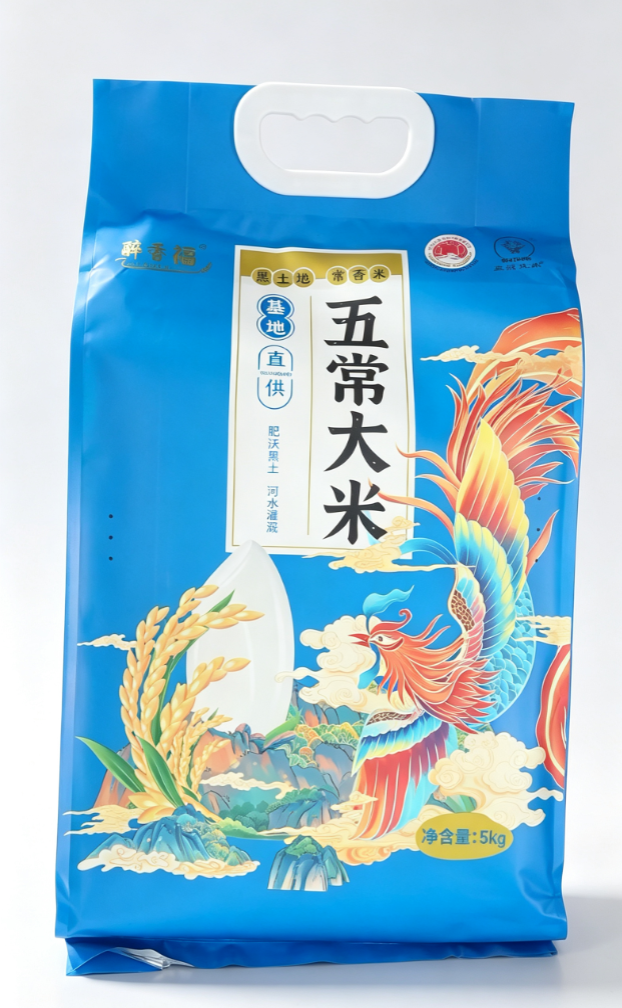
How the Gusset Mechanism Works
The folded side pleats are the heart of the design. When the bag is empty and sealed at the top, it lies flat and can be stacked or nested with almost no wasted space. As the product flows in, whether by manual scoop or automated filling equipment, the pleats give way and the bag widens. The result is a stable rectangular base that keeps the package upright on a retail shelf or in a pantry. A side gusset bag handles both thin, lightweight fills and bulky, dense products within the same basic form factor. That flexibility is why packers across many industries rely on this style rather than switching bag types as their product line changes.
Why Packers Choose Side Gusset Bags
There are several practical reasons this bag style has stayed popular for decades. First, empty bags ship and store flat, which cuts inbound logistics costs for any supplier or co-packer. Second, the front and back panels offer large printable surfaces, which is ideal for brand artwork and nutrition facts. Third, once filled, the bag achieves substantial capacity without growing taller, so it fits better on store shelves and in consumers' kitchen cabinets. Fourth, the design works equally well with hand filling and semi-automatic form-fill-seal lines, giving small producers and large-scale contract packers the same package choice. For a factory that runs multiple SKUs, the ability to standardise on one bag geometry while switching film structures or print designs is a significant operational advantage.
Film Structures for Different Needs
The right film construction depends entirely on what goes inside. For dry goods like rice, flour, and sugar, a straightforward OPP/PE laminate is the most common choice. Oriented polypropylene provides print quality and stiffness, while the inner polyethylene layer gives a reliable heat-seal surface. When oxygen, light, or moisture barriers are critical, a PET/AL/PE three-layer structure is preferred. The aluminium foil core blocks all three threats, which makes it the go-to film for roasted coffee and premium pet food. Paper/PE laminates give a natural, craft aesthetic that works well for artisanal products and ground coffee marketed on appearance as much as function. A reputable manufacturer can produce all of these structures in-house, which means the lamination and bag-making stages stay tightly controlled rather than being split between vendors.
Common Applications Across Industries
Side gusset bags are used in a wider range of applications than most packaging buyers realise. In food alone, the list covers whole-bean and ground coffee, white rice and long-grain varieties, wheat flour, granulated sugar, dried pasta, and snack mixes. Pet food brands use them for kibble and treats, while the agricultural sector relies on them for bird seed, grass seed, and bulk produce such as potatoes and onions when a breathable film option is selected. Industrial users specify them for charcoal bags, pool chemicals, and powdered cleaning agents. The common thread is that every one of these products benefits from the bag's combination of barrier protection, upright display, and flat-to-expanded versatility. A single supplier can often meet all of these needs by varying the film structure without changing the underlying bag construction.
Gusset Depth and Volume Capacity
Gusset depth is measured in millimetres and describes how far each side pleat extends when fully opened. A deeper gusset produces a wider base and therefore a larger fill volume for the same overall bag height. Matching depth to product density is an important step during product development. Light, bulky items such as dried noodles or charcoal benefit from wider, shallower gussets, while dense products like sugar or mineral powder need more narrow, deeper gussets to maintain a comfortable shelf footprint. Most manufacturers offer standard depth ranges from 20 mm up to 80 mm or more, and custom gusset dimensions can be tooled for products with unusual density profiles. Getting this measurement right from the start avoids costly retooling after a product launches.
Sealing and Handling Considerations
Side gusset bags add seal lines at the pleat edges, and those lines need accurate heat-sealer temperature control. If the sealer runs too hot, the film degrades and the seal becomes brittle. Too cool, and the peel strength drops below acceptable levels. Both outcomes are preventable with routine seal-strength testing on production samples. The fold at the gusset corner is the most common point of failure under rough handling. Tears or pinholes at the fold line compromise barrier integrity, which is especially serious for food contact applications. Manufacturers with in-house quality labs routinely run seal-strength checks and burst tests as part of standard production monitoring. For food-grade products, buyers should confirm that the supplier can provide documentation against ASTM D3985-21 for oxygen transmission, and that the film structure is compliant with EU Regulation 10/2011 for plastic materials intended for food contact.
Why Source From a Factory With In-House Production
Consistency matters more in flexible packaging than most buyers expect. When a factory handles both lamination and bag-making under one roof, the gusset fold dimensions and seal widths remain stable from one production run to the next. Subcontracting either step introduces variation that shows up as seal defects, misaligned prints, or inconsistent gusset unfolding on the filling line. A supplier that can demonstrate ISO 22000:2018 food safety management certification gives buyers an additional layer of assurance that their packaging meets international safety benchmarks. For brands planning to scale, establishing a relationship with a single capable manufacturer early avoids the disruption of switching suppliers once a product is established in the market.
References
ASTM D3985-21. Standard Test Method for Oxygen Gas Transmission Rate Through Plastic Film and Sheeting Using a Coulometric Detector. ASTM.
EU Regulation 10/2011 on plastic materials and articles intended to come into contact with food. European Commission.
ISO 22000:2018. Food safety management systems — Requirements for any organization in the food chain. ISO.